

WICOMICO CO. - A future public park in Wicomico County is moving one step closer to reality after county leaders approved a proposal tied to the Connelly Mill property.
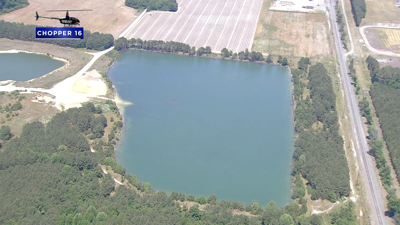
At this week’s county council meeting, officials approved a plan to transfer a land restriction from another county-owned property to the Connelly Mill site. This move would require the land to be preserved for public recreation. The proposal focuses on roughly 180 acres of wooded land just north of the Henry S. Parker Athletic Complex. The property includes dense forest, small ponds and streams, and what some residents describe as some of the highest elevations in the county. County Recreation, Parks and Tourism Director Steve Miller said the location could complement the nearby athletic complex while creating new outdoor opportunities for residents and visitors.
“It’s a tourism driver that brings people to the community,” said Miller. “Having a facility like this adjacent only enhances that facility.”
Miller said trails and other outdoor amenities could give visiting families additional activities while attending sporting events nearby. Community members who have spent years advocating for preservation of the property say the approval marks a major milestone.
“It feels like the sun is shining a little brighter in Wicomico today,” said Mikele Dahlen. “We’re going to have a place that’s going to serve this county for generations to come.”
Dahlen, part of the “Save Connelly Mill Park” grassroots movement, says the vision for the property centers around protecting natural resources while giving the public access to nature.
“Connelly Mill will allow people to walk under trees like this, be near creeks, and see landscapes that just aren’t possible anywhere else in Wicomico County,” Dahlen said.
County officials say the next step is submitting the proposal to the state for approval, a process Miller says could take up to 18 months. If approved, the county would then seek public input on what amenities and features residents would like to see included in the future park.
“These are our natural resources,” Dahlen said. “We only get them once. How we use them matters.”