

MARYLAND -- A bill proposing new limits on exotic animal ownership is drawing mixed reactions from animal welfare advocates and local farm owners.
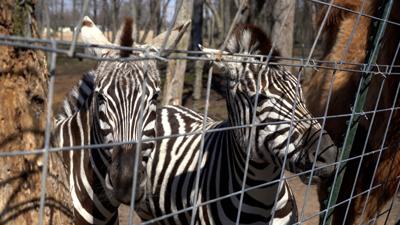
House Bill 53 would end private ownership of animals such as zebras, kangaroos, and wallabies in the state. Supporters, including the Humane World for Animals, argue the measure would reduce risks associated with private ownership.
“HB 53 builds on Maryland’s existing dangerous wild animal law to address real risks posed by the private ownership of kangaroos, wallabies, and zebras. Current Maryland law contains, and this bill continues to provide, generous exemptions for licensed facilities and others to continue to own and maintain these animals,” said Stacey Volodin, Maryland state director of the Humane World for Animals. “In unlicensed, private homes, these animals suffer, and they create risks for law enforcement and the public. The 2021 zebra escape in Prince George’s County shows exactly how these animals endanger communities and strain public safety resources. Wild animals don’t belong in backyards.”
However, some local farm owners say the proposal could negatively affect their operations and broader conservation efforts.
At Workhorse Farms in Denton, one of the owners, Tiffany Mielke, pushed back against the bill, emphasizing the role private ownership can play in education and species preservation.
“Private ownership of these different types of animals has actually brought back species from extinction, and they have been reintroduced into their natural habitat. If this bill were to pass, it would take chances like that away from future species,” Mielke said.
Meadowbrook Farms in Ridgely is taking a similar stance. Owner Mark Weesner said private owners often treat their animals like family, saying a lot of time and care go into their ownership.
Both owners said their farms currently operate with Class C exhibitor licenses that would allow them to keep their animals even if the bill passes. Still, the owners say the restrictions could have broader impacts on their businesses, particularly by limiting breeding opportunities and genetic diversity.
“If you limit all private ownership, it also limits breeding and sales potential and the import and export of new genes and new species. You always have to keep the gene pool diverse in order for a species to thrive,” Weesner said.
Mielke and Weesner also noted that they already comply with Maryland’s existing animal welfare laws.
House Bill 53 has passed through Maryland's House of Representatives. It's now waiting for a hearing from the state Senate, which is expected to happen on Wednesday.